Herman Berserik: Reality, Just a Little Different
Sep 08, 2026
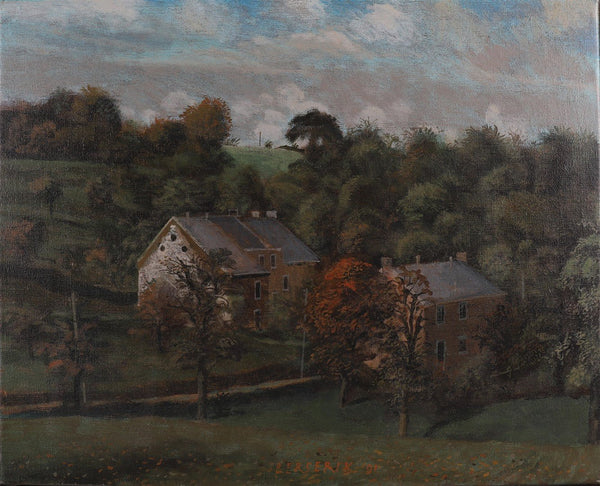
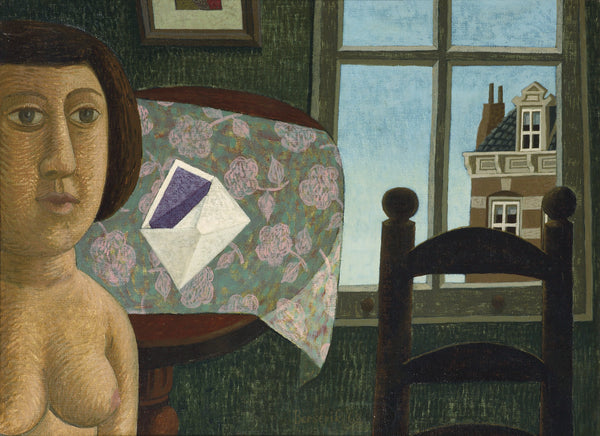
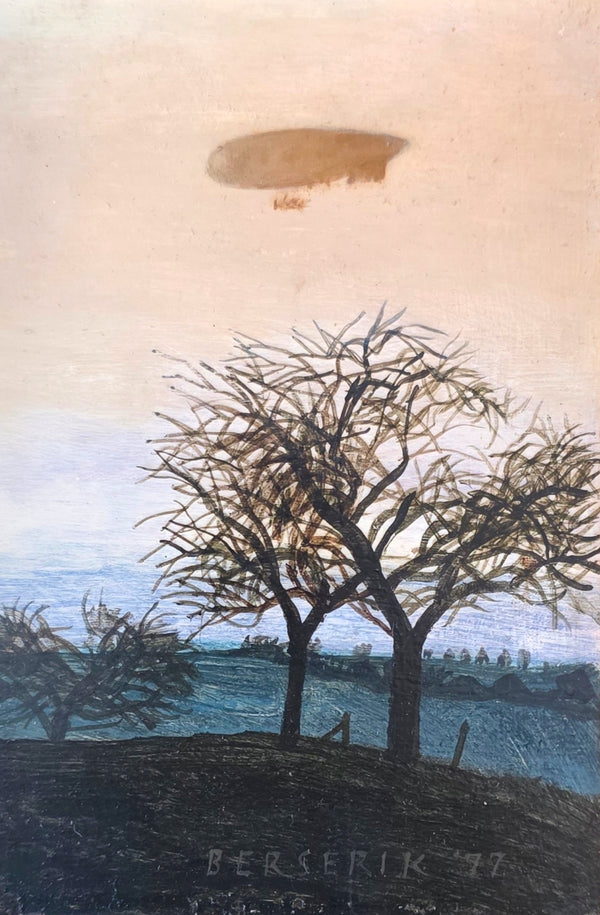
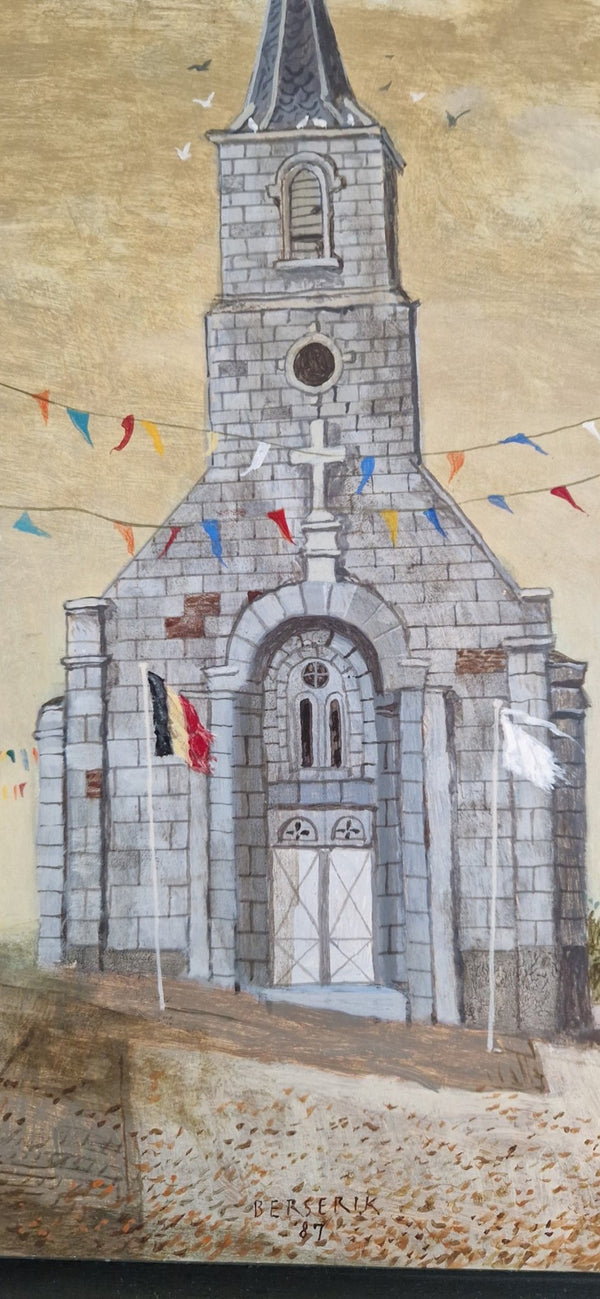
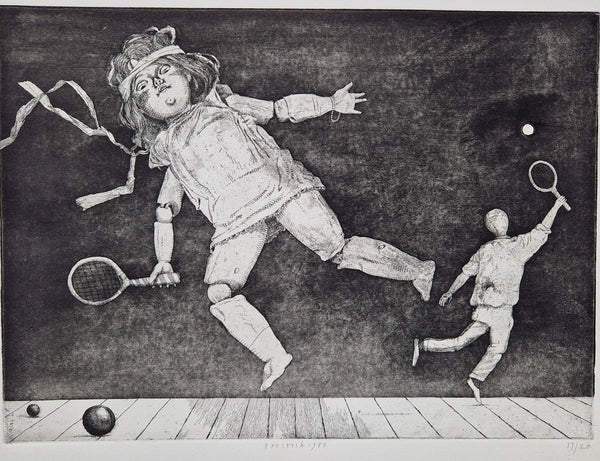
Herman Berserik was not particularly interested in following the artistic fashions of his time. As abstract art became increasingly prominent after the war, Berserik continued to paint figuratively. His subjects remained recognisable and his work often contained humour. Yet Berserik’s world is rarely entirely straightforward: colour, perspective or an unexpected detail can suddenly make an everyday scene seem slightly strange.
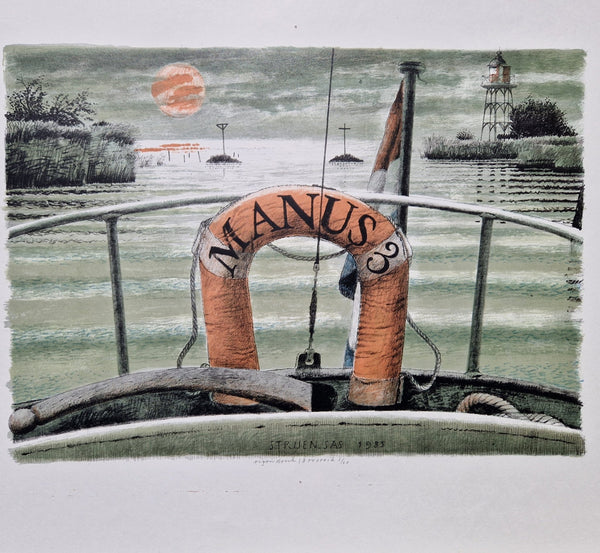
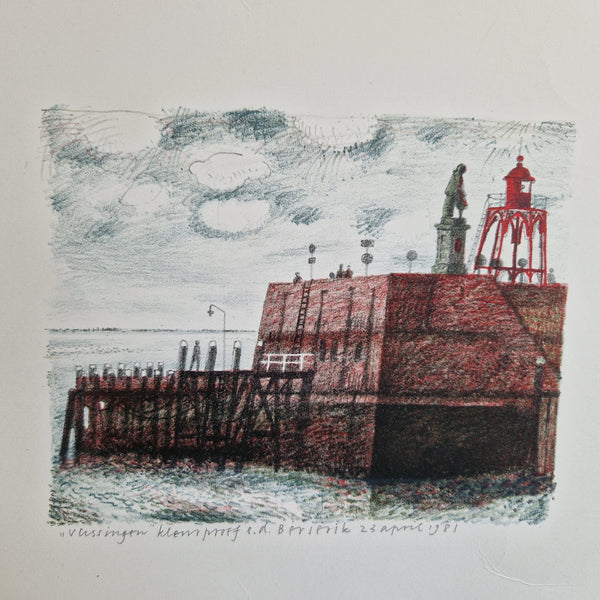
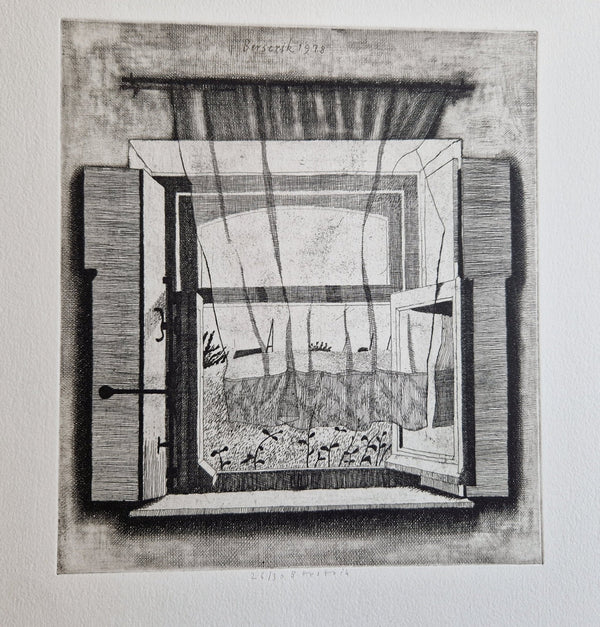
He usually found his subjects close to home. Still lifes, interiors, old houses, toys, boats and objects from his own surroundings appear repeatedly in his work. His paintings also include self-portraits, cityscapes and landscapes, occasionally with a surreal touch.
A Hague painter
Berserik was born in The Hague in 1921 and remained closely connected to the city’s artistic community throughout his career. He studied at the Royal Academy of Art in The Hague and later taught there himself for twenty years. During the 1950s he was a member of Verve, alongside artists including Jan van Heel, Kees Andrea, Co Westerik and Willem Schrofer. Verve was one of the important artists’ groups associated with what later became known as the Nieuwe Haagse School, or New Hague School.
Years later, Berserik described just how informal such an artists’ group could actually be. In November 2001 he was interviewed by Ton Knoester for the book De Nieuwe Haagse School. Looking back on Verve, he described the group as:
“a rather disorderly bunch”
According to Berserik, everyone within the group was free to go their own way. That is perhaps characteristic of Verve: there was no fixed programme or single style that its members were expected to follow.

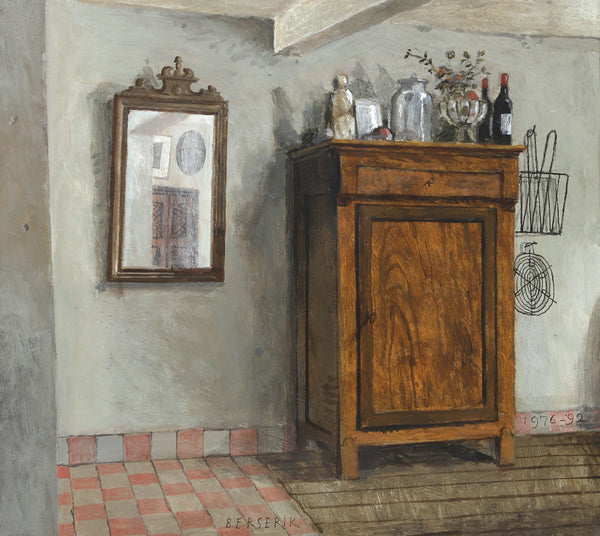
Herman Berserik, De kast van Thérèse, 1992
Paris after the war
In the same interview, Berserik recalled what the first years after the war meant to this generation of young Hague painters. During the occupation, museums had been closed and much modern French art was known to them mainly through books containing small reproductions, often in black and white.
When travelling became possible again after the war, the experience was entirely different. Berserik remembered:
“In Paris we soaked up all those new colours and influences.”
For the first time, they saw paintings by artists such as Braque, Matisse and Picasso in their actual colours and dimensions. According to Berserik, this made a considerable impression on the Hague artists. He recalled, for example, how black suddenly became a colour that could be used deliberately, and how the use of black and white could give paintings a more subdued tonality.
He later regarded this restrained use of colour as something characteristically Hague. In the interview he mentions his teachers Rein Draijer and Willem Rozendaal as important influences. Berserik even recalled that Rozendaal would sometimes use a little dirt from the floor to achieve a more nuanced colour:
“And we all picked up a little of that.”
It is a wonderful detail because it gives a very concrete meaning to the frequently used expression “Hague tonality”.
The influence of modern French painting on Berserik himself was sufficiently noticeable for friends jokingly to nickname him ‘Bersebraque’, after Georges Braque. Nevertheless, Berserik eventually developed a highly recognisable form of realism of his own, adapting visible reality when necessary by changing perspective or colour.

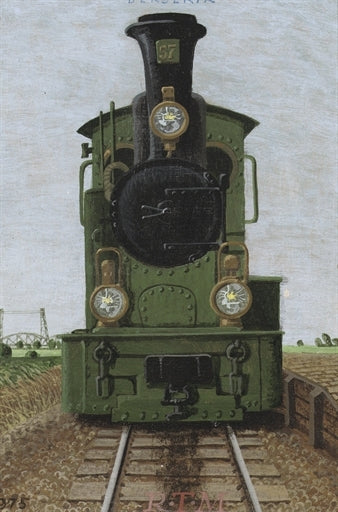
Portrait of a Little Locomotive – The Tram to Spijkenisse
Humour and a touch of estrangement
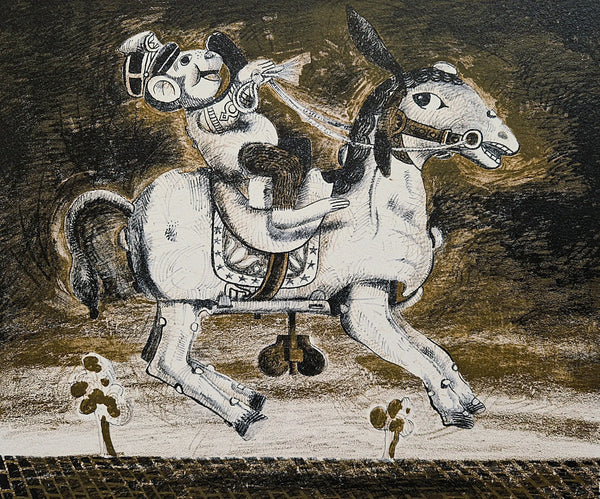
Berserik painted recognisable subjects but had little interest in reproducing them with photographic accuracy. Perspective could be distorted, an object might appear out of proportion or a colour could be slightly different from what one would expect.
Humour also regularly plays a role. Not usually as an obvious joke, but rather as something that gives a familiar scene an unexpected twist.
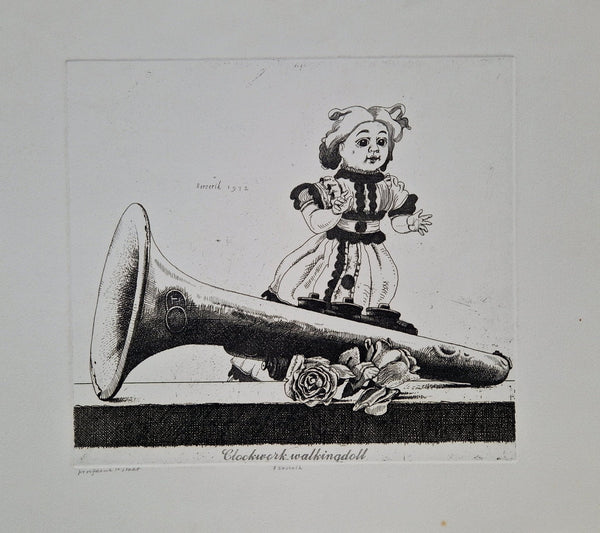
He was often attracted to objects that already seemed to have a history: old toys, machines, furniture and other everyday objects. In Berserik’s paintings, such things can easily become the main characters.
Printmaking was also an important part of his oeuvre. In 1952 and 1961 he received the Jacob Maris Prize for graphic art. Kunstmuseum Den Haag also holds a number of his prints in its collection.
‘There had to be bread on the table’
Berserik was not only a painter and printmaker. For many years he also worked as an illustrator and designer. His interview with Ton Knoester makes the reason very clear.
The years immediately after the war were financially difficult for young artists. Berserik put it rather vividly:
“I worked myself to death as an illustrator and designer. There had to be bread on the table.”
It resulted in an enormous amount of work. Between 1954 and 1961 he designed approximately 135 covers for Bert Bakker’s Ooievaar paperback series.
He also illustrated Leonard Roggeveen’s books about Daantje. In the interview Berserik recalled producing around 350 illustrations for the series. His drawing style apparently became so closely associated with the character that Berserik added with some amusement:
“After a while, some children thought that I was Daantje myself.”
He also worked for companies including KLM, shipping companies and Philips. And meanwhile, as he dryly remarked, he continued painting as well.
Painting, etching, designing book covers and producing hundreds of illustrations existed side by side for many years. The commercial work was necessary to earn a living, but painting remained Berserik’s principal artistic pursuit.

One of the last Mohicans
Towards the end of his conversation with Ton Knoester in 2001, Berserik looked back once more on the artists with whom he had begun his career after the war. Whenever he saw works by the Nieuwe Haagse School brought together again, he said, it felt as though he had returned to his “youth as a painter”.
He then remarked that by that time he had become “one of the last Mohicans”, and that anyone wanting to capture the atmosphere of that period first-hand would have to hurry.
Herman Berserik died a year later, in March 2002.
These recollections make clear that for Berserik the Nieuwe Haagse School was more than an art-historical label. These were the painters with whom, after five years of war, he was once again able to visit museums, travel to Paris, discuss colour and, above all, work enormously hard.
And within that company Berserik ultimately remained above all himself: a figurative painter who did not need to abandon reality in order to make something entirely his own.
Sources and literature
Ton Knoester, De Nieuwe Haagse School, interview with Herman Berserik, 8 November 2001.
Kunstmuseum Den Haag, collection and exhibition information on Herman Berserik.
Additional biographical information consulted via DBNL.